Why?
I built it to solve my problem. Later on, I found out I'm not the only one with this problem.
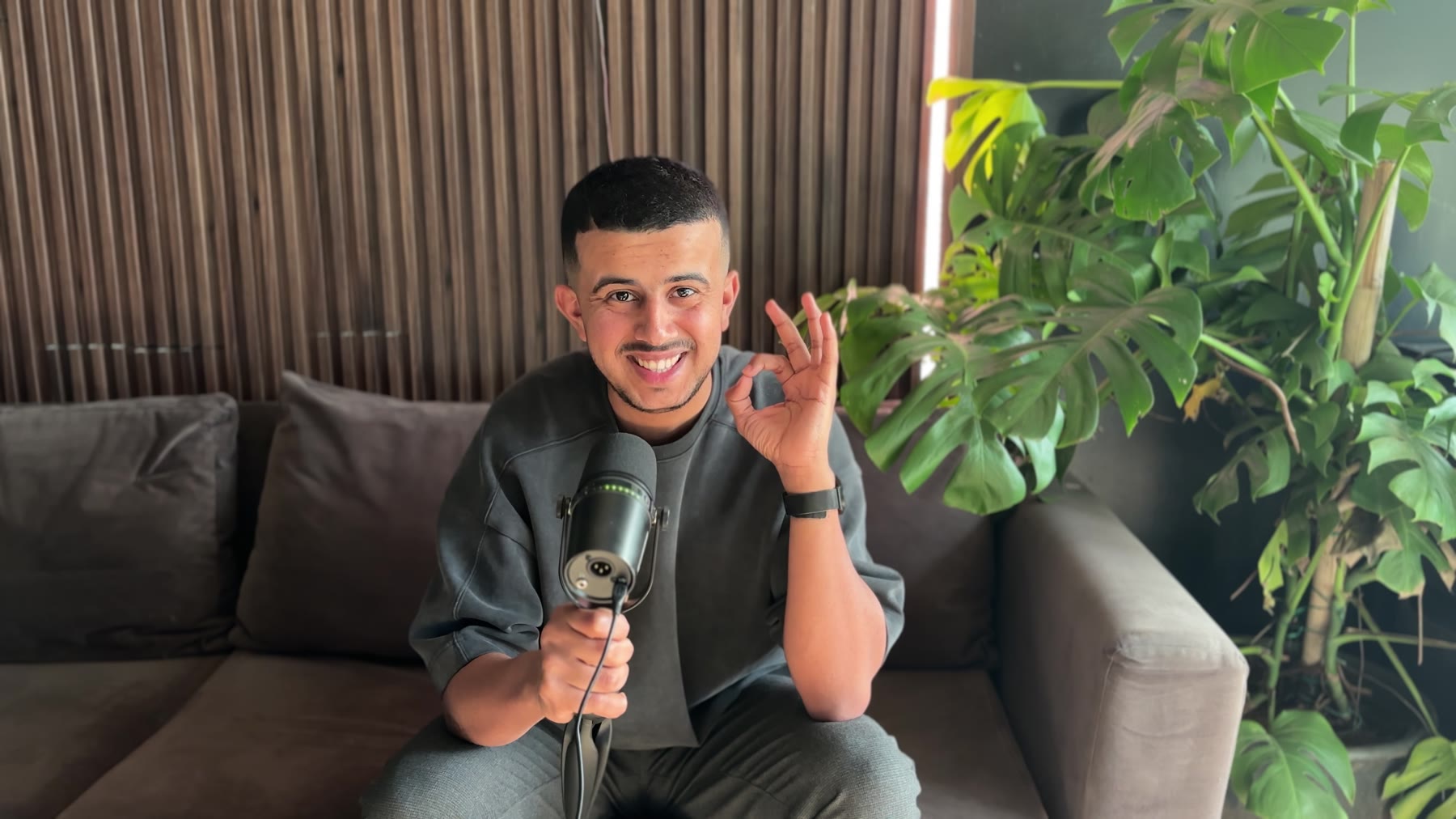
This project was first built to solve my problem of finding moments in the Yalla Let's Code Podcast. After reaching 30 episodes, it became harder to manage 30 videos plus the other videos I have. I started building a simple CLI that uses the OpenAI Whisper model to transcribe a video into a .txt file, plus a text search function that returns timestamps.
Then it became clear to me that transcription alone isn't enough. I added a simple service that takes a video and divides it into smaller scenes, then runs a simple face recognition plugin that can recognize faces, so later on I can label them and search by face as well.
After that, it became clear that we could build a local-first video intelligence project that can transcribe, analyze frames to recognize faces, objects, and on-screen text (OCR), describe video frames, and extract metadata from the video file.
Then I decided to make it open source at first and source available later on (Edit Mind). It became clear to me that this wasn't only my problem: other people started using it, requesting features, reporting bugs, and sharing it.
After a couple of months of having this project on GitHub, I got a couple of requests over email and in comments. Some users didn't want to use Docker because they weren't technical enough, and they were willing to pay for a premium experience and better video indexing features, like support for multiple folders, Apple silicon optimization, better indexing quality, and a smart agent that can search their videos.
This is exactly what I built for the desktop app. It was clear to me that we can help filmmakers, video editors, and documentary makers find the video moments they're looking for and use them to edit their videos, instead of spending too much time organizing footage. They can search for those moments instead of hunting for the video file's location and watching the video multiple times to find the part they want, like that b-roll clip or the moment where someone talks about a specific topic.
One thing you may have noticed as well is that the project name is Orcah Studio. Why this animal specifically?
“Dolphins can recognize their old tank mates’ whistles after being separated for more than 20 years—the longest social memory ever recorded for a non-human species.”
So this project is built to be a memory that remembers your video moments. It can also keep a memory of videos made or captured more than 20 years ago